

 Merino Wool Knitwear: Characteristics, Uses, and Care
Merino Wool Knitwear: Properties, Uses, and Care
Merino wool knitwear is one of those fabrics tha...
Read more
Free delivery from 49 € to the terminals
Preparation and dispatch within 1 - 3 w.d.
Pants are one of the most important items in our wardrobe. They need to be not only stylish but also comfortable, practical, and season-appropriate. That’s why it all starts with one essential step: choosing the right fabric.
If you’re planning to sew pants yourself, this post has all the essential information: which fabrics are best, how much you’ll need, and what to keep in mind before you start.
Cotton is one of the most popular fabrics for pants. It’s breathable, comfortable against the skin, and easy to care for. It’s perfect for everyday, casual, or even work pants.
If you want sturdier pants that hold their shape better, it’s worth choosing a heavier cotton.
Linen is indispensable during the warmer months. It is lightweight, natural, and highly breathable, making linen pants exceptionally comfortable on hot days.
It’s important to know that linen tends to wrinkle, but this is a natural characteristic of the fabric that gives it a unique charm.
Wool fabrics are most commonly used for classic or suit pants. They are warm, drape beautifully, and give the garment an elegant look.
It’s a great choice for fall and winter when you want both style and warmth.
Fabrics with spandex are extremely comfortable to wear because they conform to the body and don’t restrict movement. They’re especially suitable for fitted pants or active daily wear.
Even a small amount of spandex can significantly improve the comfort of pants.
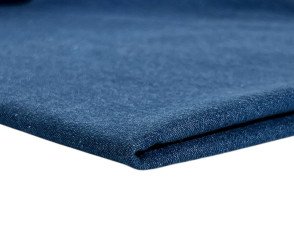
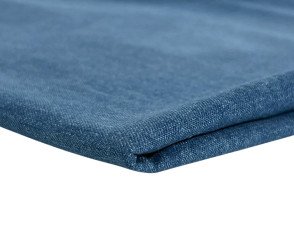
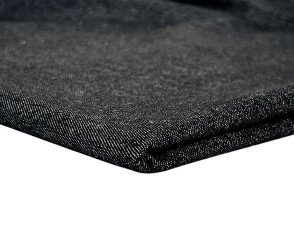
Denim is a classic that never goes out of style. It is durable, long-lasting, and versatile, making it perfect for everyday pants.
It’s a great choice for those looking for a reliable and long-lasting garment.
The amount of fabric depends on the style, size, and width of the fabric.
Generally:
1.2–1.5 meters is enough for regular-fit pants
larger sizes require about 1.5–2 meters
for wide or longer pants, up to 2.5 meters may be needed
If the fabric is narrower, you may need more.
It is recommended to always add an extra 10–20 cm as a margin—this will help avoid unpleasant situations while sewing.
The drape of the fabric determines the final look of the pants. Stiffer fabrics provide structure, while soft fabrics allow for a looser, flowing silhouette.
When choosing fabric, it’s important to consider the season:
thinner fabrics are suitable for summer
medium-weight fabrics are suitable for transitional seasons
thicker fabrics are suitable for colder seasons
If you want comfortable pants, it’s worth choosing a fabric with spandex. This is especially important for styles that hug the body more closely.
Natural fabrics, such as cotton or linen, may shrink after the first wash.
Therefore, it is recommended to wash the fabric before cutting it.
It’s important to consider in advance how the fabric will need to be cared for. Can it be machine-washed? Will it require special care?
This is especially important if the pants will be worn frequently.
Darker fabrics are more practical and easier to coordinate. Meanwhile, patterned fabrics look distinctive but require more precision when sewing, especially when matching patterns.
The right fabric is the foundation of high-quality pants. When choosing, it’s important to consider not only the fabric’s appearance but also its properties, the season, and the intended use of the pants.
A well-considered choice will allow you to create not only a beautiful but also a comfortable, long-lasting garment.


 Merino Wool Knitwear: Characteristics, Uses, and Care
 Interlining – a thin layer that determines the overall quality of the garment
 Muslinas: privalumai, panaudojimo galimybės, priežiūra
 Vandeniui atsparūs audiniai: ką reikia žinoti?
 Tautinė atributika - maža, bet prasminga detalė
 5 Populiariausi audiniai Kalėdinėms idėjoms